
Hormones travel through the bloodstream to the tissues and organs, delivering messages that tell the organs what to do and when to do it. Hormones help to regulate;
- metabolism and appetite
- heart rate
- sleep cycles
- reproductive cycles and sexual function
- general growth and development
- mood and stress levels
- body temperature
Men and women alike can be affected by imbalances in insulin, steroids, growth hormones, and adrenaline. Women experience imbalances in estrogen and progesterone levels, while men are more likely to experience imbalances in testosterone levels.
SYMPTOMS
Symptoms of hormonal imbalances depend on the glands or hormones affected. Common symptoms of hormonal imbalances includes; unexplained weight gain or weight loss, unexplained or excessive sweating, difficulty sleeping, changes in sensitivity to cold and heat, very dry skin or skin rashes, changes in blood pressure, changes in heart rate, brittle or weak bones, changes in blood sugar concentration, irritability and anxiety, unexplained and long-term fatigue, increased thirst, depression, headaches, needing to go to the bathroom more or less than usual bloating, changes in appetite, reduced sex drive, thinning, brittle hair, infertility, puffy face, blurred vision, a bulge in the neck, breast tenderness, deepening of the voice in female.
CAUSES
Everyone will experience natural periods of hormonal imbalance at a particular point in their life. Hormonal imbalances can also occur when the endocrine glands are not functioning.
Causes of hormonal imbalances include:
- Chronic or extreme stress
- Type 1 and type 2 diabetes
- hyperglycemia (overproduction of glucagon)
- Hypoglycemia (more insulin produced than there is glucose in the blood)
- Underactive thyroid (hypothyroidism)
- Overactive thyroid (hyperthyroidism)
- Over or under production of the parathyroid hormone
- Poor diet and nutrition
- Being overweight
- Hormonal replacement or birth control medications
- Abuse of anabolic steroid medications
- Solitary thyroid nodules
- Pituitary tumors
- Cushing’s syndrome (high levels of the hormone cortisol)
- Addison’s disease (low levels of cortisol and aldosterone)
- Beign tumors and cysts (fluid-filled sacks) that affect the endocrine glands
- Congenital adrenal hyperplasia (low levels of cortisol)
- Endocrine gland injury
- Severe allergic reactions or infections
- Cancers that involve endocrine glands
- Chemotherapy and radiation therapy
- Iodine deficiency (goiters)
- Hereditary pancreatitis
- Turner syndrome (females with only one functioning X chromosome)
- Prader-Willi syndrome
- Anorexia
- Pytoestrogens- naturally occurring plant estrogens found in soy products
- Exposure to toxins, pollutants, and endocrine disrupting chemicals, including pesticides and herbicides.
HORMONAL IMBALANCES IN WOMEN
Women naturally experience several periods of hormonal imbalance throughout their lifetime, which includes;
- Puberty
- Menstruation
- Pregnancy, childbirth, and breast-feeding
- Perimenopause, menopause, and postmenopause.
Women are also at risk of developing different types of hormonal imbalance disorders than men because they have different endocrine organs and cycles. Likewise, there are medical conditions that causes irregular hormonal imbalances in women, which includes;
- Polycystic ovary syndrome (PCOS)
- Hormone replacement or birth control medications
- Early menopause
- Primary ovarian insufficiency (POI)
- Ovarian cancer.

SYMPTOMS OF HORMONAL IMBALANCES IN WOMEN
- Heavy, irregular, or painful periods
- Osteoporosis (weak, brittle bones)
- High flashes and night sweats
- Vaginal dryness
- Breast tenderness
- Indigestion
- Constipation and diarrhea
- Acne during or just before
- Menstruation
- Uterine bleeding not associated with menstruation
- Increased hair growth on the face, neck, chest, or back
- Infertility
- Weight gain
- Thinning hair or hair loss
- Skin tags or abnormal growths
- Deepening of the voice
- Clitoral enlargement.
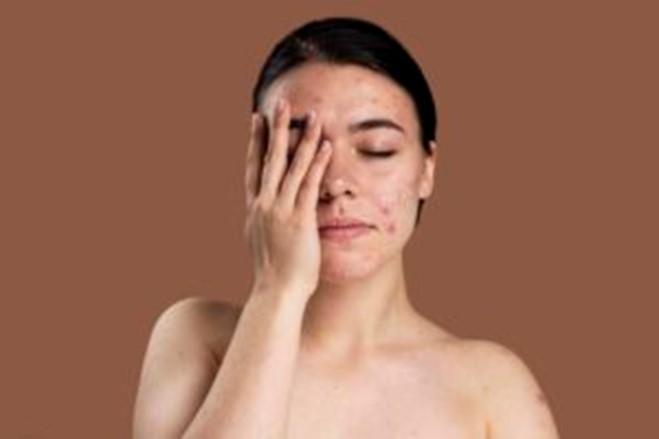
Acne caused by hormonal disorder
HORMONAL IMBALANCES IN MEN
Men also experience natural periods of hormonal imbalance during their lifetime. Natural causes of hormonal imbalances in men includes;
- Puberty
- Aging
Men are also at risk of developing different hormonal imbalances than women because they have different endocrine organs and cycles.
Medical conditions causing hormonal imbalances in men includes;
- Prostate cancer
- Hypogonadism (low testosterone)
SYMPTOMS OF HORMONAL IMBALANCES IN MEN
- Reduced sex drive
- Erectile dysfunction (ED)
- Low sperm count
- Reduced muscle mass
- Reduced body hair growth
- Overdevelopment of breast tissue
- Breast tenderness
- Osteoporosis

TREATMENT
Treatment options for women with hormone imbalances include:
- Hormone control or birth control. For those who are not trying to get pregnant, medications containing forms of estrogen and progesterone can help regulate irregular menstrual cycles and symptoms. People can take birth control medications as a pill, ring, patch, shot, or an intrauterine device (IUD).
- Vaginal estrogen: People experiencing vaginal dryness associated with changes in estrogen levels can apply creams containing estrogen directly to vaginal tissues to reduce symptoms. They can also use estrogen tablets and rings to reduce vaginal dryness.
- Hormone replacement medications: Medications are available to temporarily reduce severe symptoms associated with menopause, such as hot flashes or night sweats.
- Eflornithine (Vaniqa): This prescription cream may slow excessive facial hair growth in women.
- Anti-androgen medications: Medications that block the predominately male-sex hormone androgen can help limit severe acne and excessive hair growth or loss.
- Clomiphene (Clomid) and letrozole (Femara): These medications help stimulate ovulation in people with PCOS who are trying to become pregnant. Those with PCOS and infertility may also be given injections of gonadotropins to help increase the chances of pregnancy.
Treatment Options for men with hormonal imbalances include:
- Testosterone medications. Gels and patches containing testosterone can help reduce symptoms of hypogonadism and other conditions that cause low levels of testosterone, such as delayed or stunted puberty.
Some natural remedy used in symptoms associated with hormonal imbalances
- Black cohosh
- Dong quai
- Red clover
- Evening primrose oil for hot flashes caused by menopause.
- Ginseng for irritability, anxiousness, and sleep disturbances caused by menopause.
- Ginseng, and Maca for ED